

Turning business priorities into measurable growth.
I help small businesses and busy teams get important work moving. Together, we figure out what’s getting in the way, simplify how work gets done, and put useful tools to work.
I’m Sean.
I connect the big picture
to the work on the ground.
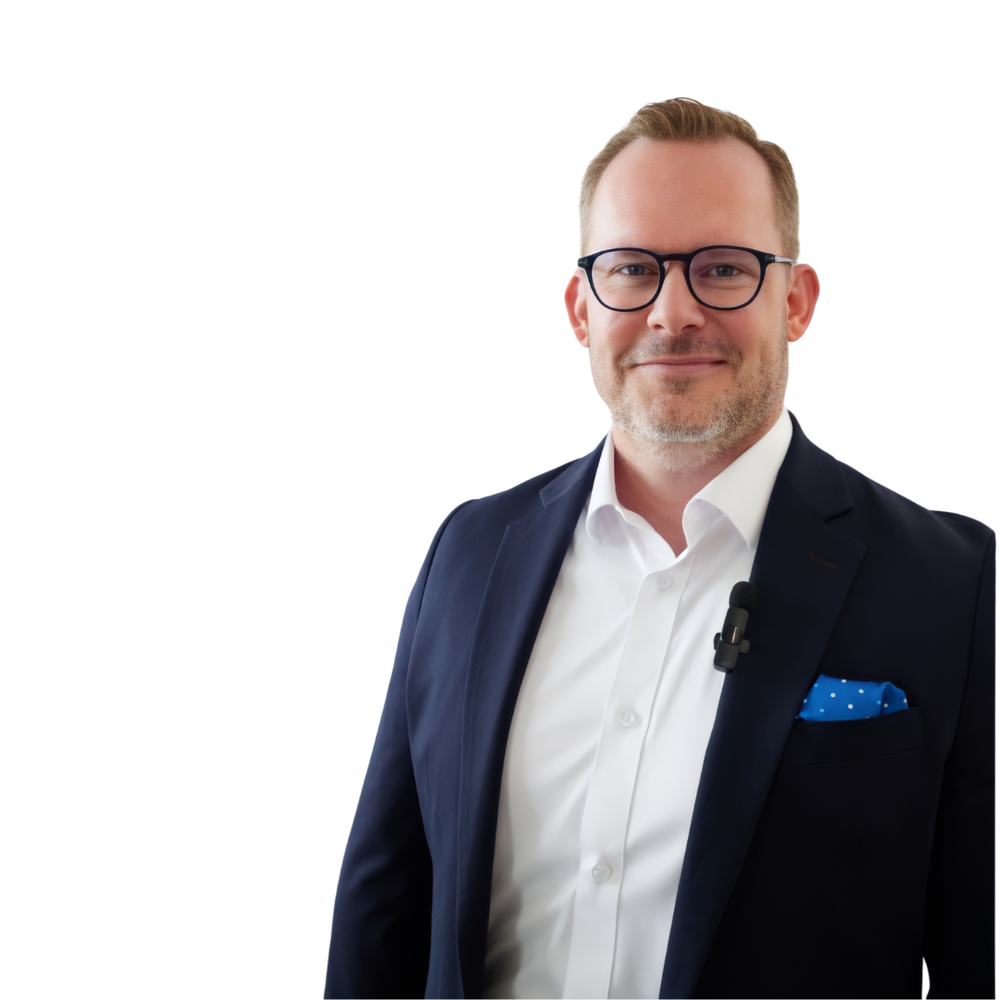
I bring more than two decades of experience leading teams, coaching and mentoring people, and delivering strategic projects across e-commerce, logistics, marketplaces, and SaaS. As a trusted advisor to enterprise, mid-market, and small businesses, I help leaders turn complex challenges into clear priorities and practical action. My work starts with a business question: what needs to change, and why does it matter?
I’m building my practice as a Forward Deployed Operator (FDO). In plain language, that means working alongside your team to understand a problem, help build the solution, and make it useful in everyday work.
Strategy stays at the center: what matters to your business, what to work on first, and how we’ll know it’s helping. You don’t need to know which process or AI tool you need before we talk.
FDO school and applied project work: making responsibilities clearer, reducing back-and-forth, and exploring where AI and automation can help.
Understand the problem.
Make the solution useful.
We start with what you want to improve. Then we work through the details together, so your team knows what to do and how to keep it working.
Define the priority.
Get clear on what matters most, what’s realistic, and what a better result would look like.
Find the friction.
Look at how work happens today. Find the missing information, repeated tasks, and places things get stuck.
Make it work.
Simplify the steps and test a practical solution with your team. Use AI or automation when it helps.
Make it stick.
Help people use the new approach. Check what changed and adjust based on what’s working.
AI needs someone
to make it work.
A Forward Deployed Operator works alongside your team: understanding the problem, building a useful solution, helping people adopt it, and measuring what changes.
That can mean a clearer intake process, fewer manual updates, or an AI-assisted workflow with the right checks. The business outcome comes first.
My FDO training is through FDO School, co-founded by Philip Lakin and Ysimer “Ysi” Gonzalez.
of companies in BCG’s 2025 study reported minimal revenue and cost gains from AI.
BCG · Build for the Future 2025 ↗AI high performers were more likely to report fundamental workflow redesign: 55% versus 20% of other respondents.
McKinsey · The State of AI 2025 ↗Research context, not 4 Finns results or a forecast for your business. These studies do not measure FDO performance.
Help that fits what you need.
You may need advice, ongoing help, or someone to take on a specific project. We can work out the right fit together.
ConsultingAdvice and a clear plan
Connect business priorities to a practical plan for execution.
Good fit: You have competing priorities and need to decide what to tackle first.
You leave with: A practical plan, clear responsibilities, and a way to check progress.
Discuss consulting ↗FractionalPart-time help, embedded with your team
Work alongside your team on a recurring basis to turn priorities into progress.
Good fit: You need someone alongside the team to keep important work moving each week.
You get: Ongoing help coordinating work, solving problems, and following through.
Discuss fractional support ↗ContractHands-on help for a specific project
Hands-on work to improve a specific process or deliver a business project.
Good fit: You have a specific project, such as improving onboarding or organizing how requests move through your team.
You get: Hands-on delivery against an agreed scope, simple instructions, and a clear handover.
Discuss a project ↗AuditsA closer look at what’s getting stuck
Examine how work moves today and identify the improvements worth making.
Good fit: Work feels harder than it should, but you’re unsure why or where to start.
You leave with: A clear picture of the problem, the evidence behind it, and recommendations in priority order.
Discuss an audit ↗Helping new products
get ready to sell.
An applied FDO project examining the steps between a new product request and getting that product ready to sell online.
The problem
Information is scattered across teams. People spend time chasing details, correcting information, and figuring out what’s ready.
The approach
Make responsibilities clear, collect the right information early, and show what’s ready before the next person starts.
Project target: 20% faster from intake to live. This is a target, not a measured result. I’m also tracking rework and how easily the team can see what’s stuck.
A few principles behind the work.
Decide what matters before choosing a tool.
A tool is useful when it solves a real problem. First, get clear on what you want to improve and why it matters. Then decide whether a simpler process, clearer responsibility, AI, or another tool would help.
Make the next person’s job easier.
When work moves between people, the next person should have what they need. Be clear about the information required, who is responsible, and what happens if something is missing.
Agree on what “better” looks like.
Choose a useful measure before changing the work: time saved, fewer corrections, faster delivery, or a clearer view of progress. Compare it with where you started so you can see whether the change helped.
You don’t need a brief.
Start with what’s stuck.
Tell me what’s taking too much time, falling through the cracks, or holding your business back. We can figure out the next step together.
Hiring for a team? Share the role or project you need help with.
Prefer to send a message?
A few sentences are enough. Share what you’re working on, where you need help, and what you’d like to change.
I’ll get back to you to explore whether working together makes sense.